When it comes to building a comfortable, energy-efficient space, Wall Insulation Materials are not just an option—they are a necessity. Whether you own a home, manage a commercial building, or plan a new construction project, insulation directly affects your energy bills, comfort level, and even property value.
At Amit Insulation, we’ve helped hundreds of clients reduce their energy costs by up to 35% simply by upgrading the right wall insulation system. In 2026, with rising electricity prices and stricter green building regulations, choosing the correct insulation material is more important than ever. This pillar guide will walk you through everything—types, materials, benefits, costs, installation process, and latest trends so you can make an informed decision.
What Are Wall Insulation Materials?
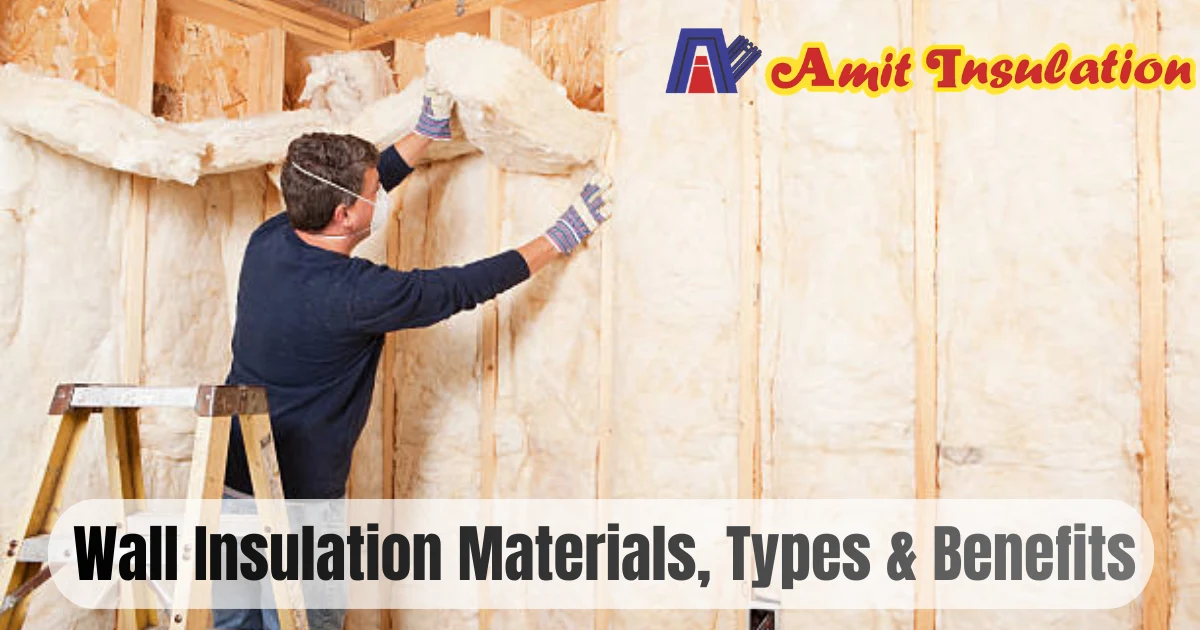
Wall Insulation Materials are specially designed products that reduce heat transfer between the interior and exterior of a building. In simple terms, they keep the heat inside during winter and outside during summer. Heat moves in three ways—conduction, convection, and radiation. Insulation materials slow down this movement. They work like a thermal barrier or a blanket wrapped around your walls.
Common forms include:
- Batts and rolls
- Rigid boards
- Loose-fill insulation
- Spray-applied wall insulation foam
Each type serves different construction needs. Some focus on thermal efficiency, while others also provide soundproofing and fire resistance. At Amit Insulation, we carefully assess climate conditions, wall structure, and usage requirements before recommending the ideal Wall Insulation Materials. The right choice ensures long-term performance and energy savings.
Why Wall Insulation Is Essential in 2026
Energy efficiency is no longer a luxury—it’s a standard requirement. According to global energy efficiency reports (2025-2026), heating and cooling account for nearly 50% of residential energy consumption. Poor insulation can waste up to 30% of that energy.
Here’s why Wall Insulation Materials are crucial today:
- Rising energy costs
- Government energy compliance regulations
- Carbon reduction goals
- Increased indoor comfort expectations
Search data in 2026 shows a 20% increase in queries for “wall insulation companies near me,” proving growing awareness. Insulation also complements other systems like HVAC and highlights the Importance of Pipe Insulation in overall thermal efficiency planning. Simply put, insulation reduces your environmental footprint while saving money. That’s a win-win.
Types of Wall Insulation Materials
Understanding different Wall Insulation Materials helps you choose wisely. Let’s explore the most common types:
1. Fiberglass Insulation
- Affordable and widely used
- Good thermal performance
- Fire-resistant
2. Mineral Wool (Rock Wool)
- Excellent fire resistance
- Strong acoustic properties
- Water-resistant
3. Cellulose Insulation
- Eco-friendly (made from recycled paper)
- Good air-sealing capability
4. Polystyrene (EPS & XPS)
- High compressive strength
- Moisture-resistant
- Ideal for external insulation
5. Polyurethane (Spray Foam)
- High R-value
- Air-tight seal
- Durable and long-lasting
Each of these Wall Insulation Materials serves a different purpose depending on building design and climate conditions.
Comparison Table of Popular Wall Insulation Materials
| Material | R-Value | Fire Resistance | Moisture Resistance | Cost Level |
| Fiberglass | Medium | High | Moderate | Low |
| Mineral Wool | High | Very High | High | Medium |
| Cellulose | Medium | Moderate | Moderate | Medium |
| EPS/XPS | High | Moderate | High | Medium-High |
| Polyurethane Foam | Very High | High | Very High | High |
Choosing the right Wall Insulation Materials depends on your budget, safety needs, and energy goals.
Wall Insulation Foam: Features & Applications
One of the fastest-growing solutions in 2026 is wall insulation foam. It expands to fill gaps and cracks, creating an airtight barrier.
There are two main types:
- Open-cell foam (flexible, lighter)
- Closed-cell foam (denser, higher insulation value)
Advantages of wall insulation foam:
- Superior energy efficiency
- Moisture resistance
- Noise reduction
- Long lifespan
Many homeowners searching for wall insulation companies near me prefer foam due to its long-term performance. At Amit Insulation, we recommend foam insulation for commercial buildings and high-humidity environments.
Internal vs External Wall Insulation
You can install Wall Insulation Materials either inside or outside walls.
| Type | Advantages | Best For |
| Internal Insulation | Lower cost, quick installation | Renovations |
| External Insulation | Higher efficiency, no interior space loss | New construction |
| Cavity Wall Insulation | Energy-saving, moderate cost | Double-wall buildings |
External insulation offers better thermal protection but involves higher investment.
Thermal vs Acoustic Insulation
Thermal insulation controls temperature. Acoustic insulation reduces noise. Mineral wool and foam offer excellent soundproofing. Businesses near highways or factories benefit significantly from acoustic systems. For specialized sound solutions, many industries consult an Acoustic Insulation Solutions Manufacturer & Supplier in Vadodara. Understanding the Difference Between Hot and Cold Insulation is also important in industrial applications where temperature extremes vary.
Key Benefits of Wall Insulation Materials
Let’s look at the major benefits of installing Wall Insulation Materials:
1. Energy Savings
Reduce heating and cooling costs by 25–40%.
2. Improved Comfort
Eliminate temperature fluctuations.
3. Noise Reduction
Lower outside disturbances.
4. Increased Property Value
Energy-efficient homes sell faster.
5. Eco-Friendly Impact
Lower carbon emissions.
The return on investment is usually visible within 3–5 years.
Cost Breakdown & ROI Analysis
The cost of Wall Insulation Materials varies depending on material type and installation complexity.
| Material | Approx Cost per Sq Ft | Lifespan |
| Fiberglass | ₹20–₹40 | 20+ years |
| Mineral Wool | ₹40–₹70 | 30+ years |
| Foam Insulation | ₹80–₹150 | 40+ years |
Though wall insulation foam has a higher upfront cost, it offers better long-term savings.
Latest Trends in Wall Insulation
The insulation industry continues evolving. Here are 2026 trends:
- Eco-friendly and recycled materials
- High-performance spray foam systems
- Smart moisture detection sensors
- Energy audit-driven insulation upgrades
Amit Insulation updates solutions every 6–12 months to match industry advancements.
How to Choose the Right Insulation Material
Ask these questions:
- What climate do you live in?
- Is your building new or old?
- Do you need soundproofing?
- What is your budget?
Professional consultation ensures you choose the best Wall Insulation Materials.
How to Find Wall Insulation Companies Near Me
When searching for wall insulation companies near me, check:
- Certifications
- Experience
- Reviews
- Warranty
Amit Insulation offers expert installation and long-term support.
Installation Process Explained
- Inspection
- Material selection
- Surface preparation
- Installation (batts or wall insulation foam spray)
- Sealing & finishing
Proper installation ensures maximum efficiency.
Maintenance & Lifespan
Most Wall Insulation Materials last 20–40 years.
Regular checks for:
- Moisture damage
- Pest activity
- Energy performance
If energy bills increase unexpectedly, insulation may need inspection.
Conclusion
Investing in high-quality Wall Insulation Materials is one of the smartest decisions for energy savings and comfort in 2026. From fiberglass to advanced wall insulation foam systems, each material serves a unique purpose. At Amit Insulation, we specialize in customized insulation solutions that deliver performance, durability, and value. Whether you’re upgrading your home or managing an industrial facility, our team ensures expert guidance and professional installation. Ready to improve your building’s efficiency? Contact Amit Insulation today and experience the difference.
FAQs
What is the best wall insulation material?
Polyurethane foam offers the highest efficiency, but mineral wool is ideal for fire resistance.
How long do wall insulation materials last?
Most last 20–40 years depending on quality.
Is wall insulation foam better than fiberglass?
Yes, in terms of R-value and air sealing.
How do I choose wall insulation companies near me?
Look for certified professionals with strong reviews.
Does insulation reduce outside noise?
Yes, especially mineral wool and foam systems.