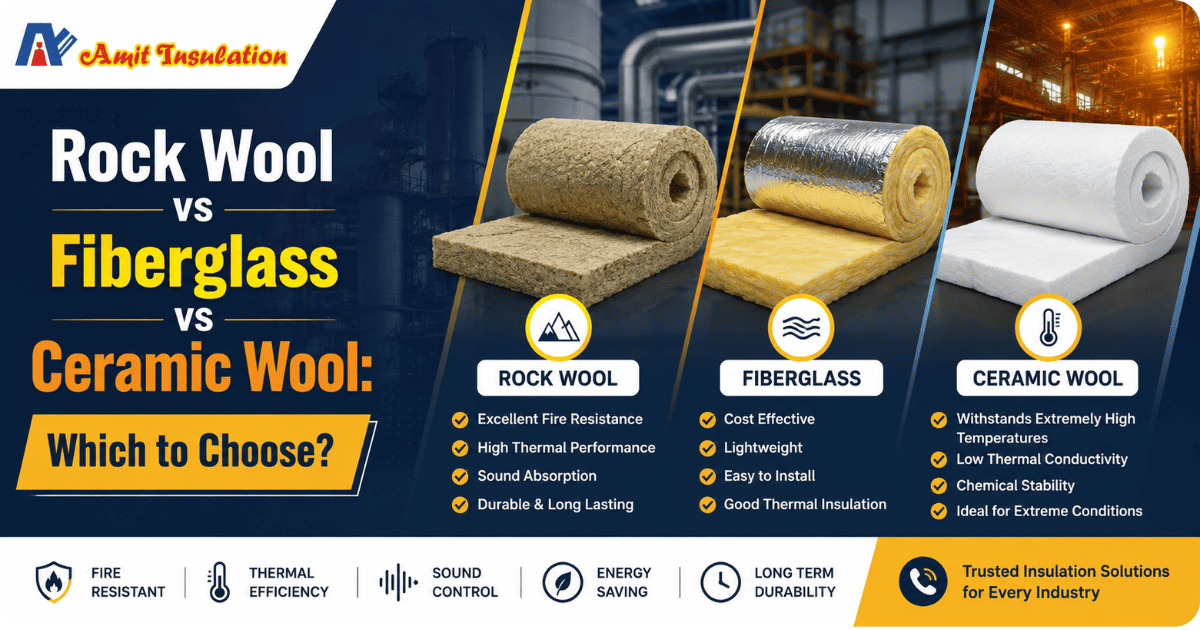
Rock wool, produced from basalt rock spun into fibrous material, represents a proven insulation solution with superior characteristics compared to traditional fiberglass. Rock wool insulation (also known as stone wool or mineral wool insulation) offers excellent thermal performance, fire resistance, and acoustic absorption properties. Rock wool products achieve outstanding fire ratings—typically achieving A1 or non-combustible classifications—making rock wool ideal for fire-critical applications. The thermal resistance of rock wool typically ranges from R-3.0 to R-3.6 per inch, comparable to quality fiberglass but with additional benefits including moisture resistance and superior durability in rock wool installations.
Rock Wool Insulation Benefits and Characteristics
Rock wool delivers numerous advantages over competing materials. Fire performance stands as rock wool’s most distinctive feature, with rock wool achieving superior fire ratings compared to fiberglass alternatives. Rock wool density and composition provide excellent acoustic absorption—high NRC (Noise Reduction Coefficient) values for rock wool make it ideal for soundproofing applications. Rock wool moisture resistance prevents degradation when rock wool encounters dampness, preserving rock wool R-value performance over time. Installation advantages include rock wool’s handling characteristics and non-irritating fiber composition compared to traditional fiberglass applications.
Rock Wool Applications and Installation Considerations
Professional installers prefer rock wool for fire-critical areas, commercial applications, and specialized environments where rock wool performance justifies higher costs. Rock wool excels in commercial buildings, industrial facilities, recording studios, and fire-rated wall assemblies where rock wool specifications exceed standard requirements. Rock wool batts and boards accommodate most standard framing, though rock wool pricing remains higher than fiberglass alternatives.
Understanding Fiberglass: The Industry Standard Insulation Material
Fiberglass insulation has dominated the North American insulation market for decades, representing the most widely-installed insulation material in residential construction. Fiberglass insulation products range from batts to blown-in applications, offering flexibility in installation methods. The affordability of fiberglass, combined with adequate thermal performance (R-3.2 to R-3.8 per inch), explains fiberglass’s market dominance. Fiberglass remains the default choice for attic insulation, wall cavities, and basement applications where fiberglass cost-effectiveness and ease of installation support widespread adoption. However, fiberglass acoustic properties are modest compared to rock wool, and fiberglass fire performance is inferior to rock wool fire ratings, though standard fiberglass meets basic building code requirements.
Fiberglass Insulation Advantages and Limitations
Fiberglass insulation advantages center on affordability and availability. Fiberglass pricing—typically $0.30-0.75 per square foot—makes fiberglass accessible for large-scale residential projects. Fiberglass installation simplicity (batts simply fit between studs) supports DIY applications and rapid professional installation. Fiberglass thermal performance meets most residential building code requirements, though fiberglass R-values don’t match premium alternatives. Fiberglass disadvantages include moisture sensitivity (wet fiberglass loses effectiveness), limited acoustic properties compared to rock wool, and health concerns regarding fiberglass fiber exposure during installation requiring proper fiberglass handling precautions.
Fiberglass Applications and Performance Reality
Fiberglass dominates residential applications—attics, walls, crawl spaces—where fiberglass cost advantages outweigh performance gaps. Fiberglass continues as standard for DIY projects, rental properties, and budget-conscious renovations where fiberglass affordability matters most. Fiberglass requires vapor barriers in humid climates, and fiberglass performance degrades significantly in moist environments where fiberglass moisture absorption compromises effectiveness.
Understanding Ceramic Wool: Premium High-Temperature Insulation
Ceramic wool, engineered for extreme temperature applications, represents the premium insulation material for specialized industrial and scientific uses. Ceramic wool insulation withstands temperatures exceeding 1800°F (982°C)—far beyond rock wool or fiberglass capabilities. Ceramic wool composition using alumina-silica fibers provides superior thermal resistance in high-temperature ceramic wool applications. Ceramic wool serves niche markets: furnace insulation, kiln linings, aerospace applications, and laboratory equipment where ceramic wool temperature resistance is non-negotiable. While ceramic wool thermal performance (R-value) per inch exceeds both rock wool and fiberglass, ceramic wool applications rarely involve R-value calculations due to ceramic wool’s specialized extreme-temperature focus.
Ceramic Wool Characteristics and Industrial Applications
Ceramic wool’s extreme temperature resistance and thermal efficiency define its market position. Ceramic wool insulation excels where ceramic wool must withstand continuous high temperatures, aggressive chemical environments, or thermal cycling that would destroy alternative materials. Ceramic wool density varies widely depending on ceramic wool application requirements—from lightweight ceramic wool blankets to dense ceramic wool boards. The cost of ceramic wool (typically $2-10+ per square foot) restricts ceramic wool to applications where performance requirements absolutely justify ceramic wool investment.
Ceramic Wool Limitations and Market Reality
Ceramic wool insulation remains impractical for standard building applications. Ceramic wool brittleness requires careful ceramic wool handling and specialized ceramic wool installation techniques. Ceramic wool fiber composition generates dust requiring ceramic wool respiratory protection during installation. Most importantly, ceramic wool remains unnecessary for typical residential or commercial applications where rock wool or fiberglass adequately serve purposes at substantially lower ceramic wool cost. Ceramic wool’s role remains specialized—serving industrial, scientific, and aerospace sectors where ceramic wool justifies premium pricing through irreplaceable high-temperature performance.
| Characteristic | Rock Wool | Fiberglass | Ceramic Wool |
|---|---|---|---|
| R-Value per Inch | 3.0-3.6 | 3.2-3.8 | 1.0-1.5 (varies by density) |
| Fire Rating | A1 / Non-Combustible | Class A (with binder) | Non-Combustible (1800°F+) |
| Acoustic Performance | Excellent (NRC 0.9+) | Good (NRC 0.7-0.8) | N/A (not designed for acoustic) |
| Cost per Sq. Ft. | $0.90-$2.50 | $0.30-$0.75 | $2.00-$10.00+ |
| Moisture Resistance | Excellent | Poor (loses R-value when wet) | Excellent |
| Typical Installation | Professional recommended | DIY-friendly | Specialized installation required |
Rock Wool vs Fiberglass vs Ceramic Wool: Direct Performance Comparison
The choice between rock wool, fiberglass, and ceramic wool depends on prioritizing thermal performance, fire safety, acoustic needs, budget, moisture exposure, and application type. For most residential applications, fiberglass remains adequate despite rock wool’s performance advantages—cost considerations make rock wool difficult to justify in standard residential insulation. For commercial applications, hospitals, schools, and facilities prioritizing fire safety and acoustic control, rock wool delivers superior long-term value despite higher rock wool installation costs. Ceramic wool remains irrelevant for standard applications but essential for industrial, scientific, and aerospace applications requiring extreme temperature resistance.
Thermal Performance: R-Value Comparison
Fiberglass and rock wool offer similar R-values per inch (3.2-3.8 for fiberglass, 3.0-3.6 for rock wool), making thermal performance comparable between fiberglass and rock wool at standard thicknesses. Ceramic wool thermal resistance rating proves misleading since ceramic wool applications don’t rely on R-value metrics—ceramic wool’s value lies in surviving extreme temperatures rather than providing insulation R-value equivalent to fiberglass or rock wool.
Fire Performance: Safety Comparison
Rock wool’s A1 fire rating significantly exceeds fiberglass Class A ratings, making rock wool the clear choice for fire-critical applications. Ceramic wool’s superior high-temperature resistance (1800°F+) exceeds all alternatives, though ceramic wool rarely addresses fire safety concerns in conventional applications. Where building codes demand superior fire performance, rock wool outperforms fiberglass—justifying rock wool premium cost for safety-conscious projects.
Acoustic Performance: Sound Control Comparison
Rock wool’s superior acoustic performance (NRC 0.9+) significantly exceeds fiberglass acoustic properties (NRC 0.7-0.8), making rock wool the material of choice for soundproofing, studios, or noise-critical environments. Ceramic wool isn’t designed for acoustic applications. This acoustic advantage frequently justifies rock wool selection in commercial buildings, home offices, and recording studios despite rock wool cost premium.
| Performance Factor | Rock Wool Advantages | Fiberglass Advantages | Ceramic Wool Advantages |
|---|---|---|---|
| Fire Safety | Superior A1 rating | Basic code compliance | Extreme temperature (1800°F+) |
| Acoustic Control | Excellent sound absorption | Moderate acoustic properties | Not applicable |
| Moisture Resistance | Excellent durability | Poor performance when wet | Excellent durability |
| Cost Effectiveness | Moderate (value option) | Excellent (budget option) | Poor (premium specialty) |
| Long-Term Durability | Maintains performance 50+ years | Degrades if exposed to moisture | Maintains performance 100+ years |
| Installation Simplicity | Professional installation recommended | DIY-friendly, easy installation | Specialized installation required |
Cost Analysis: Rock Wool vs Fiberglass vs Ceramic Wool Pricing
Budget represents a critical factor in material selection. Fiberglass costs $0.30-0.75 per square foot, making fiberglass affordable for large projects. Rock wool costs $0.90-2.50 per square foot—significantly more than fiberglass but delivering superior performance. Ceramic wool’s $2.00-10.00+ per square foot cost restricts ceramic wool to specialized applications where cost considerations become secondary to performance requirements. For residential projects, fiberglass cost advantage often overcomes rock wool performance benefits. For commercial projects, rock wool’s improved durability, fire safety, and acoustic properties frequently justify rock wool’s higher initial cost through reduced replacement frequency and improved building performance.
Total Cost of Ownership Analysis
Initial cost favors fiberglass, but long-term cost analysis often favors rock wool. Fiberglass typically requires replacement every 15-20 years, particularly in moist environments where fiberglass deteriorates. Rock wool maintains performance 50+ years with minimal degradation, reducing long-term replacement costs. For 50-year building lifespans, rock wool’s higher initial cost is offset by extended durability, making rock wool economical for permanent installations. Ceramic wool’s extreme durability and high initial cost create favorable economics only for specialized extreme-temperature applications with 50+ year operational lifespans.
Budget Scenarios and Recommendations
Limited Budget (Residential, DIY): Fiberglass offers adequate performance at affordable costs
Moderate Budget (Commercial, Permanent Installation): Rock wool delivers optimal value through superior fire safety, acoustic control, and durability
Premium Budget (Industrial, Specialized): Ceramic wool justified only for extreme-temperature applications
Environmental Impact and Sustainability Comparison
Environmental considerations increasingly influence material selection. Fiberglass manufacturing requires significant energy but uses recycled content in many products. Rock wool manufacturing produces lower embodied carbon than fiberglass alternatives—rock wool’s mineral base and simpler processing reduce energy requirements. Rock wool’s extended lifespan (50+ years) reduces cumulative environmental impact through fewer replacement cycles. Ceramic wool remains specialized with limited environmental analysis due to niche market focus. For environmentally-conscious projects, rock wool emerges as more sustainable than fiberglass due to lower manufacturing energy and extended service life. Fiberglass containing recycled content approaches rock wool environmental performance, making material selection increasingly driven by performance rather than environmental factors.
You May Also Read:- Thermal vs Acoustic Insulation: What’s the Difference?
Application-Specific Recommendations
Residential Attic Insulation
Fiberglass blown-in insulation remains standard for residential attic applications. Rock wool batts offer superior fire and acoustic performance but cost more. Ceramic wool unsuitable. Recommendation: Fiberglass for budget-conscious; Rock Wool for performance-focused homeowners.
Commercial Office Buildings
Building codes increasingly specify fire ratings and acoustic performance that favor rock wool over fiberglass. Rock wool provides superior acoustic privacy in open offices and meeting spaces. Recommendation: Rock Wool for optimal commercial performance.
Industrial Furnaces and High-Temperature Equipment
Ceramic wool becomes essential for high-temperature industrial applications where fiberglass and rock wool are unsuitable. Ceramic wool’s 1800°F+ resistance is irreplaceable. Recommendation: Ceramic Wool (no alternatives).
Moisture-Prone Basements and Crawl Spaces
Rock wool moisture resistance outperforms fiberglass in damp environments. Fiberglass loses thermal performance when wet. Recommendation: Rock Wool for moisture exposure areas.
Recording Studios and Acoustic Spaces
Rock wool’s superior acoustic absorption (NRC 0.9+) significantly exceeds fiberglass acoustic properties. Rock wool specialized acoustic products deliver professional sound control. Recommendation: Rock Wool (acoustic performance essential).
Why Choose Amit Insulation for Rock Wool, Fiberglass, or Ceramic Wool Solutions?
Amit Insulation provides comprehensive expertise spanning rock wool, fiberglass, ceramic wool, and hybrid insulation solutions. Our experienced team understands application-specific requirements, building code compliance, and performance optimization across all three material types. Whether your project demands rock wool’s superior fire and acoustic performance, fiberglass’s cost-effectiveness, ceramic wool’s extreme-temperature capabilities, or combinations of these materials, Amit Insulation delivers professional guidance and quality installation.
Amit Insulation Advantages
- Expert assessment of rock wool, fiberglass, and ceramic wool options
- Application-specific recommendations based on performance needs
- Professional installation across all insulation material types
- Competitive pricing for rock wool, fiberglass, and ceramic wool
- Building code compliance verification for fire and safety requirements
- Long-term durability analysis and lifecycle cost evaluation
- Acoustic optimization guidance using rock wool specialization
- Industrial and commercial expertise with ceramic wool applications
Making Your Material Selection Decision
The optimal insulation material—rock wool, fiberglass, or ceramic wool—depends on systematically evaluating your project requirements against each material’s characteristics. Start by identifying primary performance priorities: thermal insulation (all three materials adequate), fire safety (rock wool superior), acoustic control (rock wool excellent), moisture resistance (rock wool/ceramic wool superior), budget constraints (fiberglass most affordable), or long-term durability (rock wool/ceramic wool outlast fiberglass). Next, consider building code requirements, environmental conditions (moisture exposure), application-specific needs, and lifecycle costs. Finally, consult professionals like Amit Insulation to verify recommendations against local building codes and project-specific constraints.
Decision Matrix and Selection Framework
Choose FIBERGLASS if: Budget is primary concern, thermal performance alone is adequate, moisture exposure is minimal, standard building codes apply, DIY installation preferred
Choose ROCK WOOL if: Fire safety is important, acoustic control needed, moisture exposure likely, long-term durability valued, building codes demand superior fire ratings, commercial/institutional application
Choose CERAMIC WOOL if: High-temperature resistance required (1800°F+), industrial/specialized application, cost is secondary to performance, extreme environment exposure
Comparing Installation Costs and Timelines
Fiberglass installation is rapid and cost-effective—DIY installation reduces labor costs. Rock wool professional installation typically costs $1.50-3.00/square foot (material + labor). Ceramic wool specialized installation costs $3.00-6.00+/square foot due to specialized expertise requirements. Timeline favors fiberglass—quick installation in 1-2 days for residential projects. Rock wool installation requires 2-4 days due to professional requirements. Ceramic wool installation timelines extend to 1-2 weeks for complex industrial applications.
Conclusion: Rock Wool vs Fiberglass vs Ceramic Wool Selection
Rock wool, fiberglass, and ceramic wool each serve distinct market segments and application requirements. Fiberglass remains the default for budget-conscious residential applications where performance is adequate and moisture exposure is controlled. Rock wool has emerged as the premium insulation choice for applications demanding fire safety, acoustic control, moisture resistance, or extended durability—justifying rock wool’s higher costs through superior long-term performance and lifecycle value. Ceramic wool remains specialized for extreme-temperature industrial and scientific applications irrelevant to standard construction.
Rather than viewing rock wool, fiberglass, and ceramic wool as competing alternatives, modern construction frequently employs hybrid approaches combining materials strategically. Using rock wool where performance matters most and fiberglass in performance-adequate areas optimizes both cost and performance. The key is understanding each material’s strengths and limitations, then applying them intelligently to specific applications.
Amit Insulation provides expert assessment and professional guidance across rock wool, fiberglass, ceramic wool, and hybrid solutions. Whether your project prioritizes rock wool’s premium performance, fiberglass’s affordability, ceramic wool’s extreme-temperature capabilities, or optimized combinations, our team delivers recommendations aligned with your building requirements, local codes, and project budget. Contact Amit Insulation today for professional evaluation of rock wool, fiberglass, ceramic wool options specific to your application.